
What Skilled Nursing Services Include
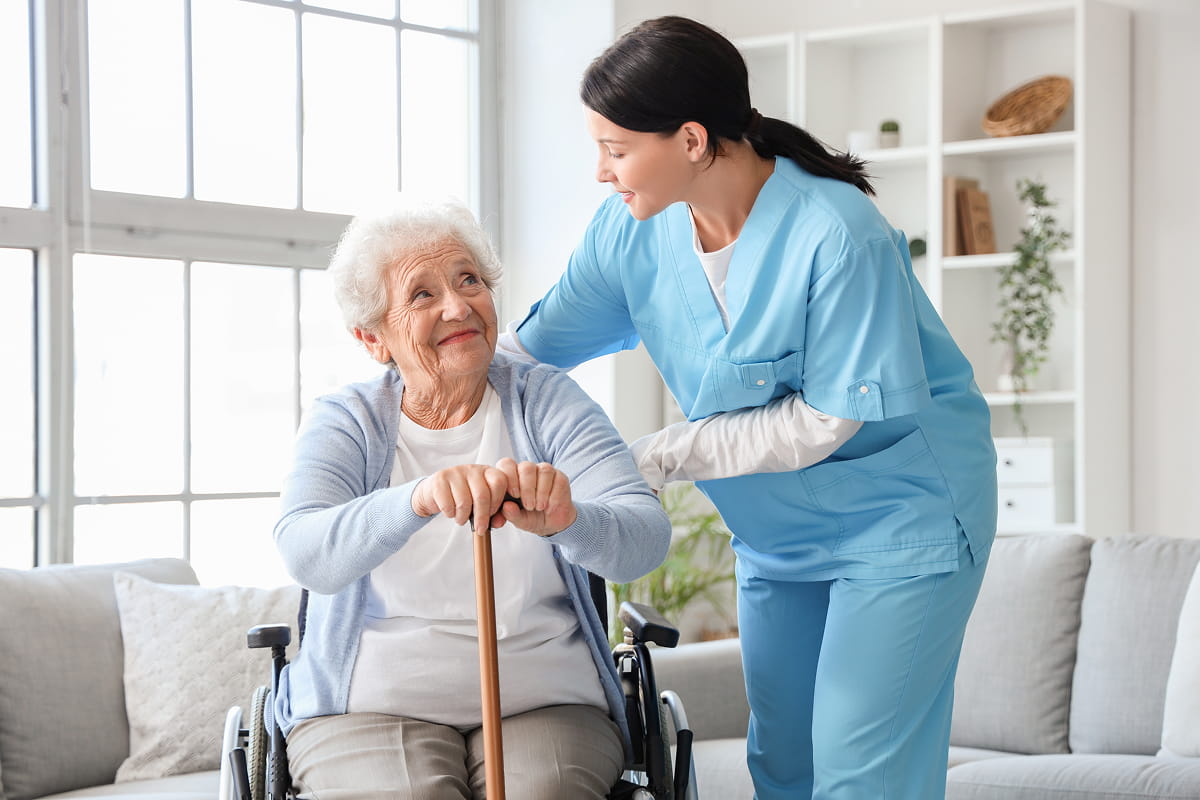
Skilled nursing services encompass a wide range of clinical care delivered by licensed registered nurses (RNs) and licensed practical nurses (LPNs). These services include health assessments, medication administration, medical treatments, and chronic condition monitoring. Nurses follow physician orders while ensuring care aligns with the child’s individualized plan. Skilled nursing also involves documentation and coordination with healthcare providers. This structured approach ensures safety, accuracy, and consistency in care delivery. Skilled nursing services play a vital role in maintaining a child’s health and preventing complications.
Ensuring Safe Medication Management
Medication management is a critical aspect of pediatric skilled nursing care. Nurses ensure medications are administered accurately, on schedule, and according to physician instructions. They monitor for side effects, interactions, and effectiveness, making adjustments through coordination with providers. Proper documentation helps maintain compliance with healthcare standards and Medicaid guidelines. Families gain peace of mind knowing medications are handled safely and professionally. Effective medication management reduces risks and supports better health outcomes for medically fragile children.
Monitoring Chronic and Complex Conditions
Children with chronic or complex medical conditions require ongoing observation and assessment. Skilled nurses regularly monitor vital signs, symptoms, and overall health status. Early detection of changes allows for timely interventions and communication with physicians. This proactive approach helps prevent emergencies and unnecessary hospitalizations. Continuous monitoring ensures care remains aligned with the child’s evolving needs. Through consistent nursing oversight, children receive stable and responsive care at home.
Coordination with Physicians and Care Teams
Effective pediatric home health care relies on strong coordination among nurses, physicians, therapists, and care coordinators. Skilled nurses serve as a vital link between families and the healthcare system. They communicate updates, share observations, and implement changes to the plan of care. This collaboration ensures continuity and consistency across all aspects of treatment. Families benefit from streamlined communication and coordinated decision-making. Team-based care enhances safety and supports improved clinical outcomes.
Empowering Families Through Education
Education is a key component of skilled nursing services. Nurses provide families with clear guidance on care routines, equipment use, and recognizing warning signs. This knowledge empowers caregivers to confidently participate in their child’s care. Education also helps families feel supported rather than overwhelmed. By reinforcing understanding and skills, nurses promote independence and long-term stability. Family education strengthens the overall care environment and supports successful outcomes at home.